
Termite Infestations: What Homeowners Should Know
Termites are often called “silent destroyers,” and for good reason. These small insects can quietly feed on wood and other building materials for months—or even years—before homeowners realize there’s a problem. By the time visible signs appear, structural damage may already be underway. Because of this, termite infestations are among the most costly issues homeowners encounter.
Termites feed on cellulose, a natural fiber found in wood and many common construction materials. That means the structural framing of a home—floor joists, wall studs, support beams, and even trim—can become a food source. While many household pests are simply a nuisance, termites pose a much more serious threat because they can gradually weaken the structural components that hold a home together.
Understanding how termite infestations begin, recognizing the early warning signs, and knowing how to prevent them can help homeowners protect their property and avoid expensive repairs.
How Termites Get Into Homes
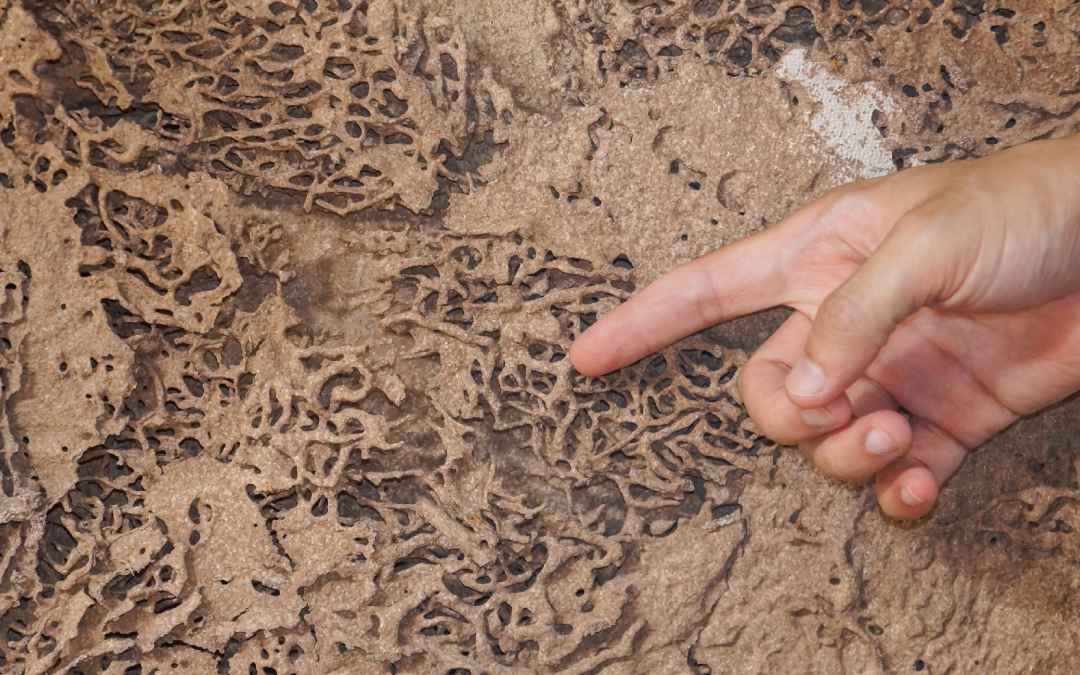
Most termite problems in the United States involve subterranean termites. These insects live in colonies underground and travel between their nest and food sources above ground. Because termites need moisture to survive, they build small mud tubes that allow them to move safely while staying protected from air and sunlight.
These tubes often run along foundation walls, crawl spaces, or other structural surfaces as termites search for wood to feed on. Once they find a suitable entry point, they begin tunneling into wooden components of the structure.
Termites don’t need large openings to enter a home. Tiny cracks in foundations, gaps around plumbing lines, and areas where wood comes into contact with soil can provide enough access. Landscaping materials such as mulch placed directly against siding can also create easy pathways.
In some areas, homeowners may also encounter drywood termites. Unlike subterranean termites, they don’t rely on soil and can live directly inside dry wood. Dampwood termites are less common but are usually drawn to wood that has high moisture content due to leaks or poor ventilation.
Conditions that increase moisture around the home—such as poor drainage, leaking pipes, or clogged gutters—can make a property more attractive to termites and increase the risk of infestation.
Signs of Termite Activity
One of the biggest challenges with termite infestations is that they often remain hidden. Termites typically consume wood from the inside out, leaving the outer surface intact. As a result, damage can develop long before it becomes obvious.
Still, there are several warning signs homeowners should be aware of.
Mud tubes along foundation walls or crawl spaces are one of the most common indicators of subterranean termites. These narrow tubes act as protected highways for termites traveling between the soil and the structure.
Another potential sign is wood that sounds hollow when tapped. Because termites hollow out the interior portions of wood, the surface may appear normal while the inside is heavily damaged.
Homeowners may also notice swarms of flying termites during certain times of the year. These winged termites leave their colonies to establish new ones. Finding discarded wings on windowsills, near doors, or around light fixtures can signal that termites are nearby.
Other subtle clues can include blistering paint, small holes in drywall, or doors and windows that suddenly stick due to shifting or weakened framing.
The Damage Termites Can Cause
Termite infestations are responsible for billions of dollars in property damage each year. Unfortunately, this type of damage is rarely covered by standard homeowners insurance policies because it’s generally considered preventable through maintenance and inspections.
As termites continue feeding, they can weaken critical structural components. Floor joists, beams, and wall framing may gradually lose strength, leading to sagging floors, cracked walls, or uneven ceilings. In severe cases, structural damage can make parts of a home unsafe until repairs are completed.
Because termite damage tends to worsen over time, early detection plays a key role in limiting repair costs. Addressing a small problem early is far less expensive than repairing widespread structural damage later.
Preventing Termite Infestations
The best defense against termites is prevention. Reducing moisture around the home is one of the most effective ways to make the property less attractive to termite colonies.
Gutters and downspouts should direct water away from the foundation, and plumbing leaks should be repaired promptly. Proper ventilation in crawl spaces and basements helps prevent excess moisture from building up in wooden components.
Homeowners should also avoid direct wood-to-soil contact whenever possible. Firewood, lumber, and other wood materials should be stored away from the foundation. Mulch and landscaping materials should not be piled directly against siding.
Sealing cracks in the foundation and around utility penetrations can help reduce potential entry points. Regular maintenance and professional inspections are also valuable tools for catching termite activity early.
Treatment and Long-Term Protection
If termites are discovered, professional treatment is usually required to eliminate the infestation completely. Pest control professionals may use liquid termiticides applied to the soil around the foundation to create a protective barrier that kills termites as they travel.
Another common approach involves baiting systems placed around the property. Termites feed on the bait and carry it back to the colony, eventually eliminating the entire population.
In some cases, a combination of treatments may be recommended depending on the size of the colony and the type of termites involved.
Even after treatment, ongoing monitoring is important. Annual inspections help ensure that termite activity is detected quickly if it returns. Maintaining good drainage, addressing moisture issues, and keeping wood materials away from the structure can also help reduce the likelihood of future infestations.
With proper maintenance and regular inspections, homeowners can significantly reduce the risk termites pose to their property.
Frequently Asked Questions About Termite Infestations
How long does it take for termites to cause serious damage?
The timeline varies depending on the size of the colony and the type of termites involved. Some infestations can cause noticeable damage within a year, while others may take several years to become obvious. Regular inspections help identify problems before damage becomes extensive.
Are termite infestations covered by homeowners insurance?
Most homeowners insurance policies do not cover termite damage because it is considered preventable with routine maintenance and inspections. It’s always a good idea to review your policy to understand your coverage.
Can termite infestations go away on their own?
No. Termite colonies continue to grow as long as food sources are available. Without professional treatment, the infestation will typically continue and cause more damage over time.
What attracts termites to a home?
Moisture, wood-to-soil contact, and untreated wood are the biggest attractants. Leaking pipes, poor drainage, and firewood stacked near the house can increase the chances of termite activity.
How often should a home be inspected for termites?
Most professionals recommend a termite inspection at least once per year, especially in areas where termite activity is common. Annual inspections help detect infestations early and reduce the risk of costly structural damage.
AWP Home Inspections provides buyer’s home inspections in West Central and Central Indiana. Contact us to request our services.