
As winter approaches, many homeowners find themselves bracing for the inevitable increase in utility bills. Learning how to save energy during the colder months involves a strategic approach to managing your home’s ecosystem. By making a few intentional adjustments to your daily habits and home maintenance routine, you will maintain a toasty sanctuary while keeping your monthly expenses under control.
Seal the Hidden Gaps to Save Energy
The most common thief of warmth in any household is the drafty window or door. Even if you cannot see them, tiny gaps around your entryways allow expensive heated air to escape while letting the frigid outdoor air come inside. Applying weatherstripping to doors and using high-quality caulk around window casings will create an airtight seal that significantly reduces your furnace’s workload. If you have older, single-pane windows, consider applying a temporary window insulation film. This clear plastic layer acts as an extra barrier of still air, significantly reducing heat loss through the glass and allowing your heating system to take a much-needed break.
Optimize Your Heating System for Efficiency
Your HVAC system is the heart of your home during the winter, and like any hardworking organ, it requires regular maintenance to perform at its peak. One of the simplest ways to save energy is to replace your furnace filters every thirty to ninety days. A clogged filter forces the motor to work significantly harder to push air through the vents, which wastes electricity and shortens the lifespan of your equipment. Beyond the filter, you should ensure that your vents and radiators are not blocked by furniture, curtains, or rugs. When you obstruct the flow of air, you create cold spots in the room that often tempt you to turn the thermostat up higher than necessary.
Master the Art of Thermostat Management
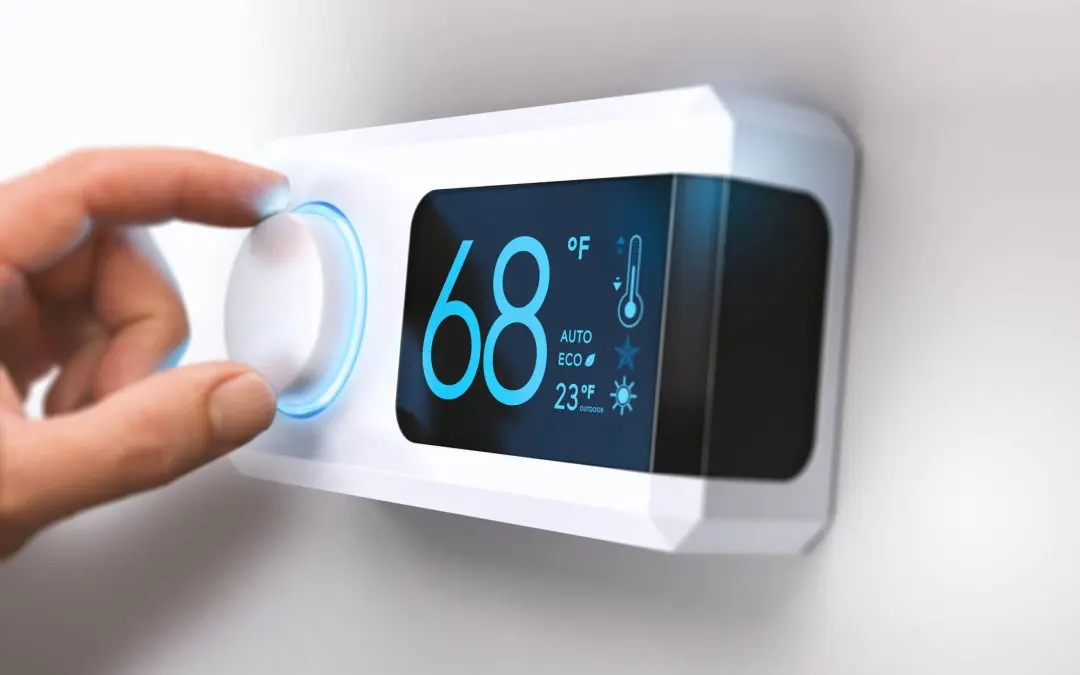
Technology has made it easier than ever to manage your home’s climate with precision. If you haven’t already, switching to a programmable or smart thermostat is a game-changer for those looking to save energy. These devices allow you to set lower temperatures for when you are sleeping or away at work, automatically warming the house back up just before you arrive or wake up. Aiming for a goal of 68 degrees Fahrenheit while you are home and active is generally considered the ideal balance between comfort and cost. For every degree you lower the thermostat during an eight-hour period, you may see a noticeable reduction in your bill.
Save Energy By Leverage Natural Heat and Smart Lighting
The sun is a powerful, free source of heat that many homeowners overlook during the winter months. During the day, keep your south-facing curtains and blinds wide open to let the sunlight naturally warm your interior surfaces. This passive solar heating will raise the temperature of a room by several degrees without using a single watt of electricity. Once the sun goes down, be sure to close all window coverings tightly. Additionally, consider the impact of your lighting. Since the days are shorter, you are likely using your lights for longer periods. Switching to LED bulbs, which emit very little heat and use a fraction of the power of traditional incandescent bulbs, is a small but impactful way to contribute to your overall goal of savingenergy throughout the season.
Frequently Asked Questions (FAQs)
Does lowering the thermostat when I leave the house save more energy than maintaining a constant temperature?
It is a common myth that your heater has to work “harder” to warm a cold house, thus negating any savings. In reality, it is much more efficient to let the house cool down while you are away. A house loses heat more slowly when the difference between the inside and outside temperatures is smaller. By lowering the heat when you aren’t there, you slow down the rate of heat loss and significantly reduce your total fuel consumption.
Will using a space heater help me save energy?
Using a space heater can be efficient only if you practice “zone heating.” This means you turn the central thermostat down significantly and only use the space heater in the specific room you are currently occupying. However, if you run multiple space heaters throughout the house or leave the central heat at its normal setting while using a space heater, your electricity bill will likely increase.
How much can I actually save by lowering my thermostat by just a few degrees?
While exact numbers depend on your local climate and the insulation of your home, energy experts generally recommend that you can save roughly one percent on your heating bill for every degree you lower the thermostat setting for an eight-hour period.
AWP Home Inspections provides buyer’s home inspections in West Central and Central Indiana. Contact us to request our services.