
High indoor humidity is one of those household problems that compounds quietly; it creates the conditions for mold growth, makes summer heat feel more oppressive than it is, damages wood flooring and furniture over time, and produces the musty, heavy-air quality that makes a home feel uncomfortable even when temperatures are reasonable. Knowing how to reduce humidity effectively means understanding where excess moisture is coming from, which solutions address the source versus the symptom, and how to build the habits and systems that keep humidity within a healthy range year-round.
Why Reducing Humidity Matters More Than Most Realize
The EPA recommends maintaining indoor relative humidity between 30 and 50 percent. Above 60 percent, conditions become increasingly favorable for dust mites, mold growth, and structural damage to wood throughout the home. Below 30 percent, air becomes uncomfortably dry and contributes to respiratory irritation. In many climates, the bigger challenge is pulling humidity down rather than adding it. High humidity doesn’t always announce itself through visible condensation. It shows up as paint peeling without obvious cause, wood floors that cup or buckle, window frames that swell and stick, or that persistent stuffiness that no amount of air conditioning quite resolves.
Ventilation Strategies That Reduce Humidity at the Source
The most effective way to reduce humidity is to prevent it from accumulating by exhausting moisture-laden air before it condenses on surfaces. Bathroom exhaust fans are the single most important ventilation fixture for humidity control and are consistently underused. Running the fan during every shower and for at least 15 to 20 minutes afterward is the most direct daily habit for reducing bathroom moisture. Fans must vent directly to the exterior, not into the attic, where they simply relocate the problem. Kitchen exhaust fans perform the same function for cooking-generated steam. Boiling, steaming, and even running the dishwasher introduce meaningful moisture into the kitchen air. Using the exhaust fan consistently during cooking and for a few minutes after meaningfully contributes to efforts to reduce humidity in the most moisture-intensive rooms. Whole-house ventilation systems provide controlled fresh air exchange in tightly built modern homes where natural air infiltration is low and where these systems play a critical role in maintaining healthy humidity levels.
Dehumidifiers and Mechanical Solutions
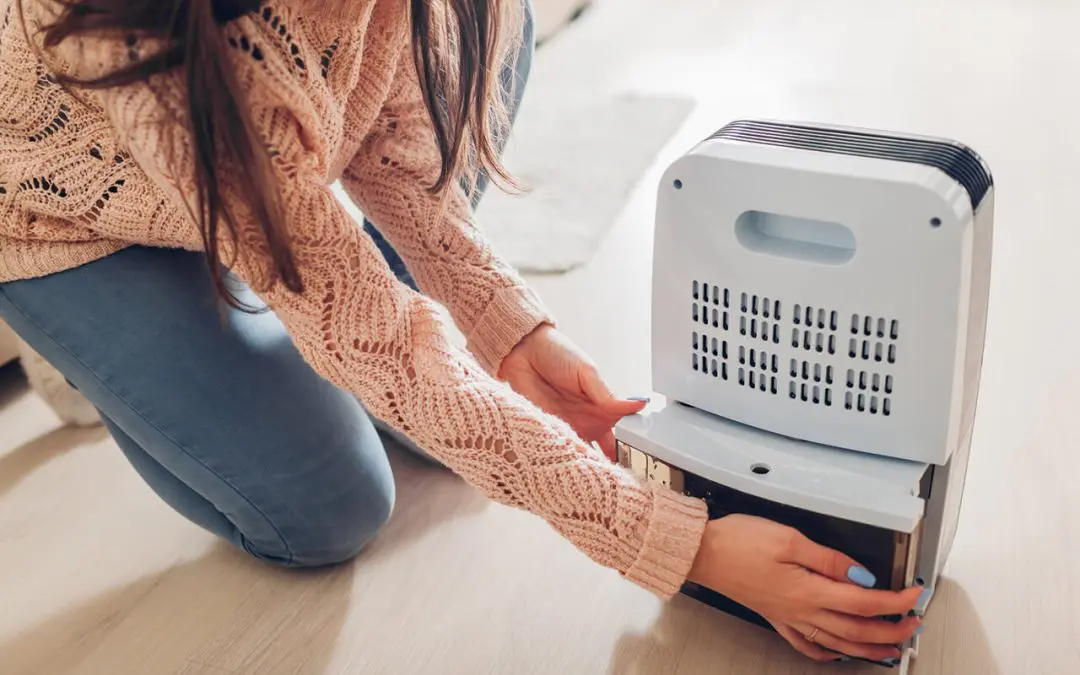
When ventilation alone isn’t sufficient, mechanical dehumidification provides the additional capacity needed. Portable dehumidifiers work well for specific problem areas. A basement unit with an automatic drainage hose connected to a floor drain provides continuous operation without daily emptying. Size the dehumidifier to the square footage of the space and clean the filter monthly. Whole-house dehumidifiers integrated with the HVAC system address humidity throughout the entire home rather than in isolated areas. More expensive than portable units, they provide consistent automatic control that doesn’t depend on individual rooms being separately managed, often the most practical long-term solution for homes in persistently humid climates.
Behavioral and Maintenance Habits That Reduce Humidity Daily
Beyond equipment, daily choices have a cumulative effect on indoor humidity that’s easy to underestimate. Covering pots while cooking, taking shorter showers, fixing plumbing leaks promptly, and ensuring the dryer vents to the exterior all reduce moisture introduced to the indoor environment. Houseplants transpire moisture; moderating their number in already-humid spaces is a simple adjustment. Exterior drainage and grading that direct water away from the foundation reduce the moisture that migrates through foundation walls into basements and crawl spaces. This structural moisture source is one of the most significant contributors to chronic basement humidity, and no amount of dehumidification fully compensates for active water intrusion. Addressing the source produces results that mechanical solutions cannot.
Frequently Asked Questions (FAQs)
What is the ideal indoor humidity level and how do I measure it?
The EPA recommends 30 to 50 percent relative humidity. A hygrometer measures relative humidity in real time and is the most direct tool for understanding your home’s actual levels. Smart versions provide continuous logging, useful for identifying patterns.
Why is my basement always humid even when the rest of the house feels fine?
Basements are naturally humid for two reasons: moisture migrates through concrete foundation walls from soil outside, and warm humid air from above enters the basement, cools, and condenses. Reduce humidity in basements by addressing exterior drainage, sealing foundation cracks, insulating cold surfaces, and running a properly sized dehumidifier. If water is actively entering through walls or floor, exterior waterproofing may be necessary.
How do I know if my bathroom exhaust fan is actually working well enough to reduce humidity?
Hold a piece of tissue near the exhaust fan grille while it’s running; adequate suction will draw and hold the tissue against the grille. If the tissue falls or barely moves, the fan isn’t moving enough air. Check that it vents to the exterior, clean the grille of accumulated dust, and consider upgrading to a higher-CFM unit if the current fan is undersized for the bathroom.
Can air conditioning reduce humidity effectively?
Yes, air conditioning removes humidity as a byproduct of the cooling process. As warm, humid air passes over the cold evaporator coil, moisture condenses and drains away. In humid climates, this dehumidification effect is one of the primary reasons AC improves comfort beyond simply lowering temperature. However, an oversized unit that cools too quickly without running long enough to dehumidify may leave a home feeling cool but clammy.
Does opening windows help reduce humidity or make it worse?
It depends on outdoor conditions. Opening windows when outdoor humidity is lower than indoor allows drier air in and helps exhaust moist interior air. Opening them when outdoor humidity is higher imports moisture and worsens indoor levels. Check outdoor conditions before opening windows as a humidity strategy, and rely on mechanical ventilation during periods when outdoor air is more humid than the interior.
AWP Home Inspections provides buyer’s home inspections in West Central and Central Indiana. Contact us to request our services.